How to Start Strength Training Without Feeling Overwhelmed
In this post, I'll show you a few tips to help you start strength training without feeling overwhelmed.
If you’ve ever walked into a gym or opened a workout app and immediately felt out of your depth, you’re not alone. Strength training can look complicated from the outside, especially when you’re a beginner, short on time, or completely new to the gym environment.
As a personal trainer, I see this all the time. People want to start strength training, but they feel overwhelmed before they’ve even done their first workout. The good news is that strength training doesn’t need to be intense, complicated, or time-consuming to be effective. In fact, keeping things simple is often the best way to build confidence and long-term results.
Let Go of the Pressure to Do Everything Perfectly
One of the biggest reasons people feel overwhelmed when starting strength training is the belief that they need to do everything right from day one. There’s often a feeling that if the workout isn’t long enough, hard enough, or perfectly planned, then it’s not worth doing at all. This mindset can actually hold you back. You don’t need heavy weights or flawless technique to get started. What matters most in the beginning is showing up and creating a routine that fits into your life. Strength training is a skill, and like any skill, it improves with practice over time.
Start Smaller Than You Think You Should
Many beginners assume they need to train as hard as possible to see results, but starting too intensely is one of the most common reasons people burn out or give up altogether. Your body needs time to adapt to new movements, new loads, and new routines. Starting with two or three short strength sessions per week is more than enough. These workouts don’t need to be long or exhausting. When strength training feels manageable, it’s far easier to stick with it.
Keep Your Training Simple and Practical
Training doesn’t need a long list of exercises to be effective. In fact, focusing on a few basic movements is often the most helpful approach for beginners. Exercises that involve squatting, pushing, pulling, hinging, and bracing your core help build strength that carries over into everyday life. Whether you’re training at home or in the gym, these movements can be done using bodyweight, dumbbells, resistance bands, or machines. The goal isn’t to do everything at once but to gradually become more comfortable with the basics. Simple workouts done consistently will always beat complex workouts done occasionally.
Choose a Training Environment That Feels Right for You
Some people thrive in a busy gym environment, while others find it intimidating. If walking into the gym feels overwhelming right now, that doesn’t mean you’re not cut out for strength training. It simply means you might benefit from starting somewhere that feels more comfortable. Training at home with an online fitness coach can be a great way to learn movements and build confidence before stepping into a gym. On the other hand, if you prefer the structure of a gym, choosing quieter times and sticking to a small area can help reduce anxiety. The best place to train is the place where you feel able to show up consistently.
Stop Comparing Yourself to Others
It’s easy to feel discouraged when you compare yourself to others, especially when social media is full of advanced workouts and heavy lifts. What you don’t see is how long it took those people to get there. Everyone who looks confident in the gym was once a beginner just like you. Strength training is not about keeping up with anyone else. Your progress is personal, and it doesn’t need to look like anyone else’s. Focusing on your own improvement, no matter how small it feels, is what leads to real results over time.
Expect the Beginning to Feel Awkward
Feeling unsure or awkward when you start training is completely normal. New movements take time to learn, and it’s okay if things don’t feel smooth straight away. Confidence comes from repetition, not from waiting until you feel ready. Each session you complete helps you become more familiar with the exercises, the equipment, and how your body responds. Over time, that unfamiliar feeling fades, and training becomes something you feel more comfortable doing.
Set Simple, Achievable Goals
When you’re starting, it can help to shift your focus away from big goals and towards habits you can control. Rather than worrying about lifting heavier weights or changing your body straight away, focus on building a routine you can stick to. Goals like committing to two sessions a week or learning proper form for a handful of exercises are far more motivating in the early stages. These small wins build momentum and make it easier to stay consistent, especially if you’re juggling a busy schedule.
Consistency Will Always Matter More Than Intensity
You don’t need to push yourself to the limit every time you train. Some sessions will feel great, and others won’t; that’s completely normal. Progress comes from showing up regularly, not from being perfect. Missing a workout doesn’t mean you’ve failed, and having an easier session doesn’t mean it wasn’t worthwhile. Strength training works best when it fits into your life, not when it takes over your life.
You Don’t Have to Figure It All Out Alone
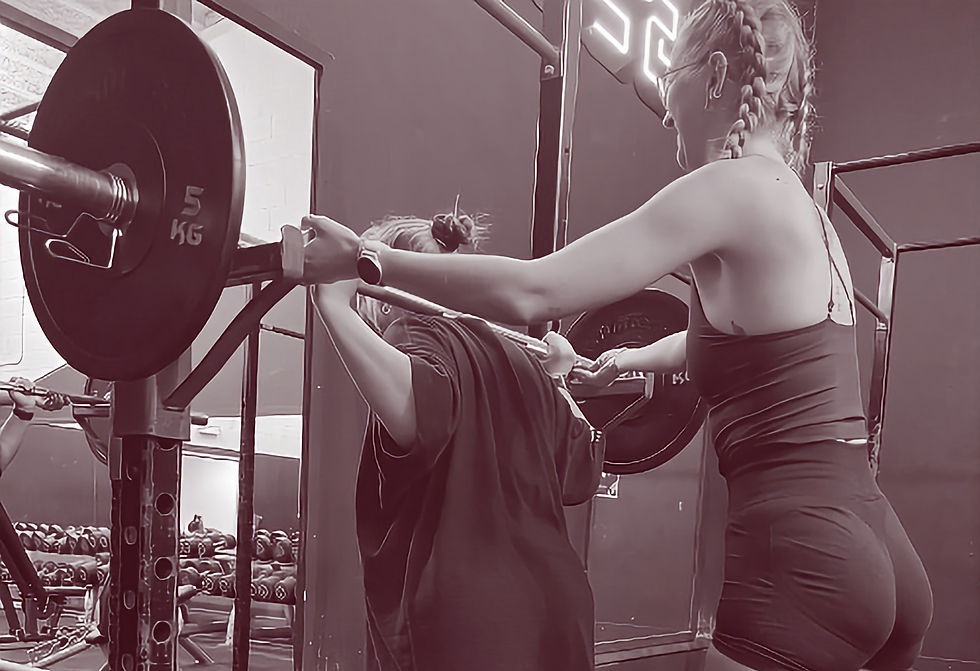
Having guidance can make a huge difference when you’re new to strength training. Working with a personal trainer, whether online or in person, can help remove a lot of the guesswork. It allows you to learn proper technique, follow a plan designed for your lifestyle, and build confidence without feeling overwhelmed. Support, structure, and reassurance often make the process feel far more approachable.
Starting strength training doesn’t need to feel intimidating or stressful. By keeping things simple, starting small, and focusing on consistency rather than intensity, you give yourself the best chance of success.
If you’re new to strength training, be patient with yourself. You’re learning something new, and that takes time. Every workout you complete is a step forward.
If you found this helpful and want more beginner-friendly advice, simple workouts, and realistic fitness tips, follow me on social media for support and guidance as you start your fitness journey.


Comments